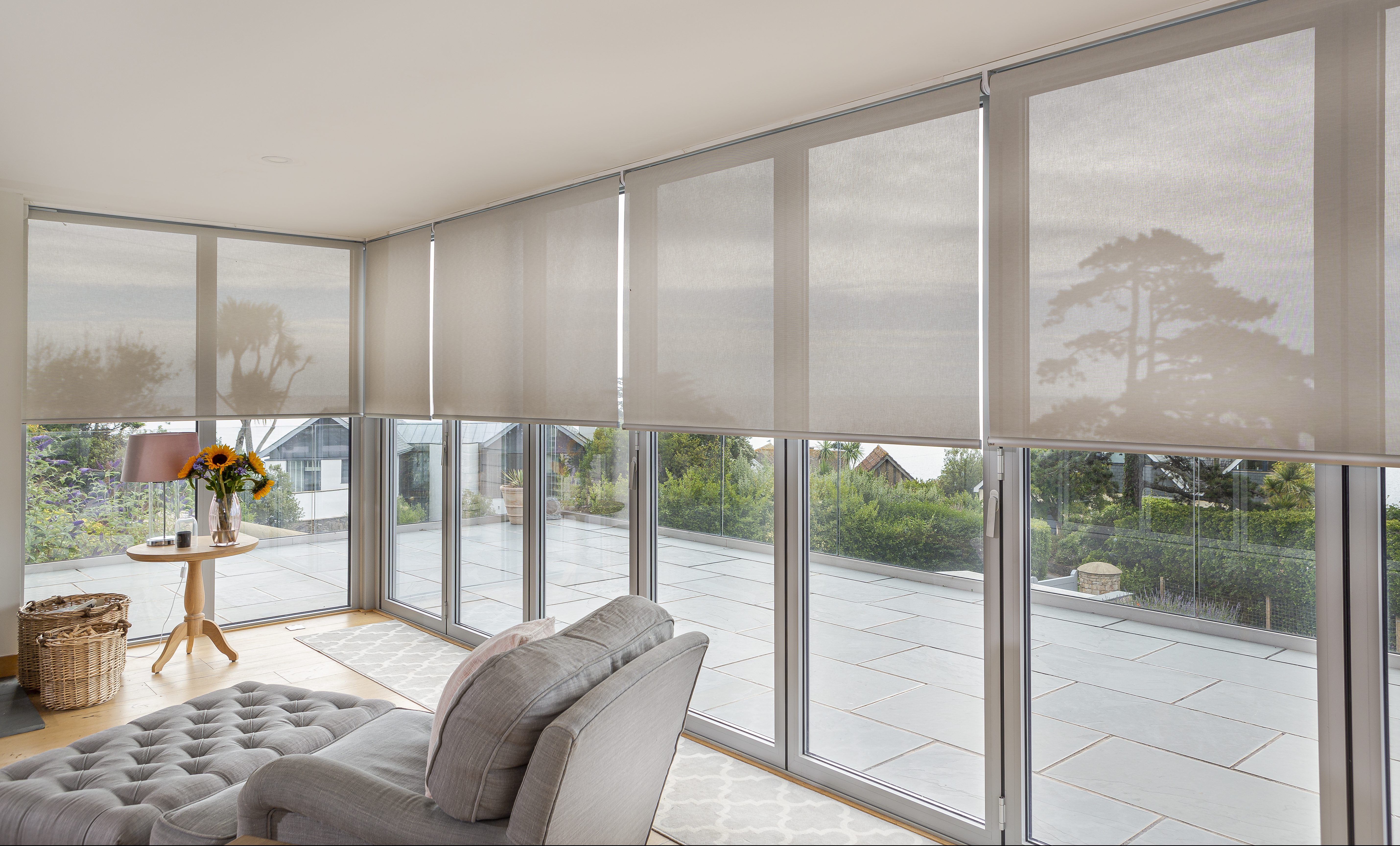
Security should be the top most important factor when building a house. It is essential to ensure that windows are installed in a safe and secure manner. In Australia it's a fact that dangling blind cords can be an extremely dangerous risk for infants and children. National safety standards for safety are more than just guidelines. They're a blueprint for preventing. Knowing the standard for mandatory safety is the single most important aspect of the purchasing process. Let's move beyond words and phrases to acquire practical knowledge on child safety on the Australian blinds markets.
The Australian Competition and Consumer Commission (ACCC) enforces a stringent obligatory standard for all interior corded window coverings. The standard was developed in response to a devastating accident and is intended to reduce the risk at the source. The fundamental requirement for new blinds, curtains or drapes is clear. They must be equipped with safety features or they must be completely cordless. Standard does not only apply to products however, it also applies to installation instructions. The responsibility for compliance rests squarely on the installer and supplier. Your role as a consumer lies in your ability to know and ask for the services you require.
What's the actual significance of compliance? There are three options each of which comes with distinct advantages.
Cordless or motorised designs are the initial gold standard. This is the best method to avoid any risks. Cordless panel slides or roller blinds are operated by the crank or a pull and push mechanism. Motorized blinds can be operated remotely or by smartphone. They are a guarantee of safety and ease of use. While they are more expensive the peace of mind and safety are well-worth the price. If you own a space where your child sleeps or plays, this is the first thing you take into consideration.
Second, Compliant cords and chains with safety Devices. For styles in which chains, cords or other functional component is employed, such as Venetians or vertical blinds as well as similar products, the industry standard calls for safety features to be integrated into the design. As a minimum, you must look for tension devices. They are cleats permanently mounted to the wall or window frame. The cord needs to be wrapped tightly around them and secured each time it is repositioned. The cord should remain tight and short. The safety tassel or breakaway connector is also a key feature. It's a small, integrated device in the pull-cord designed to be released with very little pressure. If a child becomes caught in the loop, it breaks the loop, which could be dangerous. It is a crucial failsafe. Do not accept a blind which is thrown in the bag. The supplier must pre-install the blinds and demonstrate how to use the devices.
Third, Professional Installation is Critical. Many safety measures that are well-intentioned fail here. It's dangerous to put up a blind that meets the standards incorrectly. Professionally trained installers who understand standards know how to position tension devices so they are not within the reach of young children who climb on furniture and the minimum 1.6 metres from the ground. The cords must be trimmed to an appropriate length. The blind is secured firmly to prevent the blind from falling down. It is important that they demonstrate to the user how the blind should operate safely, and the care and maintenance of safety features. You may miss these steps, regardless of how proficient you think you are.
You must be proactive when negotiating with a blinds company. You can ask more than "Are they safe for children?" The phrase "child-safe" is too loosely employed. You can ask these more precise and specific questions instead: "Can you tell me what safety devices were installed to make sure that the product complies with AS/NZS60335.2.97?" Will your installer permanently fix any tension devices on the wall, and demonstrate their use? If a cord is present on this product, what's its maximum length when it's stored properly is there a safety tassel with a breakaway that can be attached to the cord? A reputable firm will welcome questions like these and respond with clear answers. Be wary of any suppliers who dismissively dismiss your questions or are vague.
Think about your blinds. The standard only applies for the new supply. However, there are still many blinds used across the nation. It is important to take action immediately if your blinds have cord loops. Window Covering Council of Australia, and other major hardware stores, provide free retrofit security kits, which include cleats. Installing these kits is a simple and essential task for a weekend. Rearrange your bedroom layout. Don't place a cot, or high chair next to windows with a blind that is corded. Entanglements can happen swiftly and with no warning.
The final decision to choose blinds for children that are child-safe in Australia is a case of vigilant consumerism. It requires looking past the sample fabric and asking about the mechanism. It's crucial to think about the knowledge base of the seller as well as his color palette. It recognizes that the most affordable option may carry an unthinkable hidden price. The standard that is mandatory is a strong framework but its effectiveness copyrights on informed choice and correct installation.
Blinds that are legally compliant can be a great investment for your home's security. This allows you to have the desired look and feel of light while being confident that you have eliminated a potential danger. It transforms your windows from being a danger into a secure environment for your family's growth. One of the most important parental decisions is to use cord-free. Additionally, you must never compromise in the matter of installation. The safety of your children absolutely hangs in the of the balance. Check out the top rated blinds for blog tips including blinds off, aq blinds, custom order blinds, cheap blinds australia, premium blinds, blinds order online, a window shade, all blinds direct, cheap blinds australia, exact fitting blinds and more.
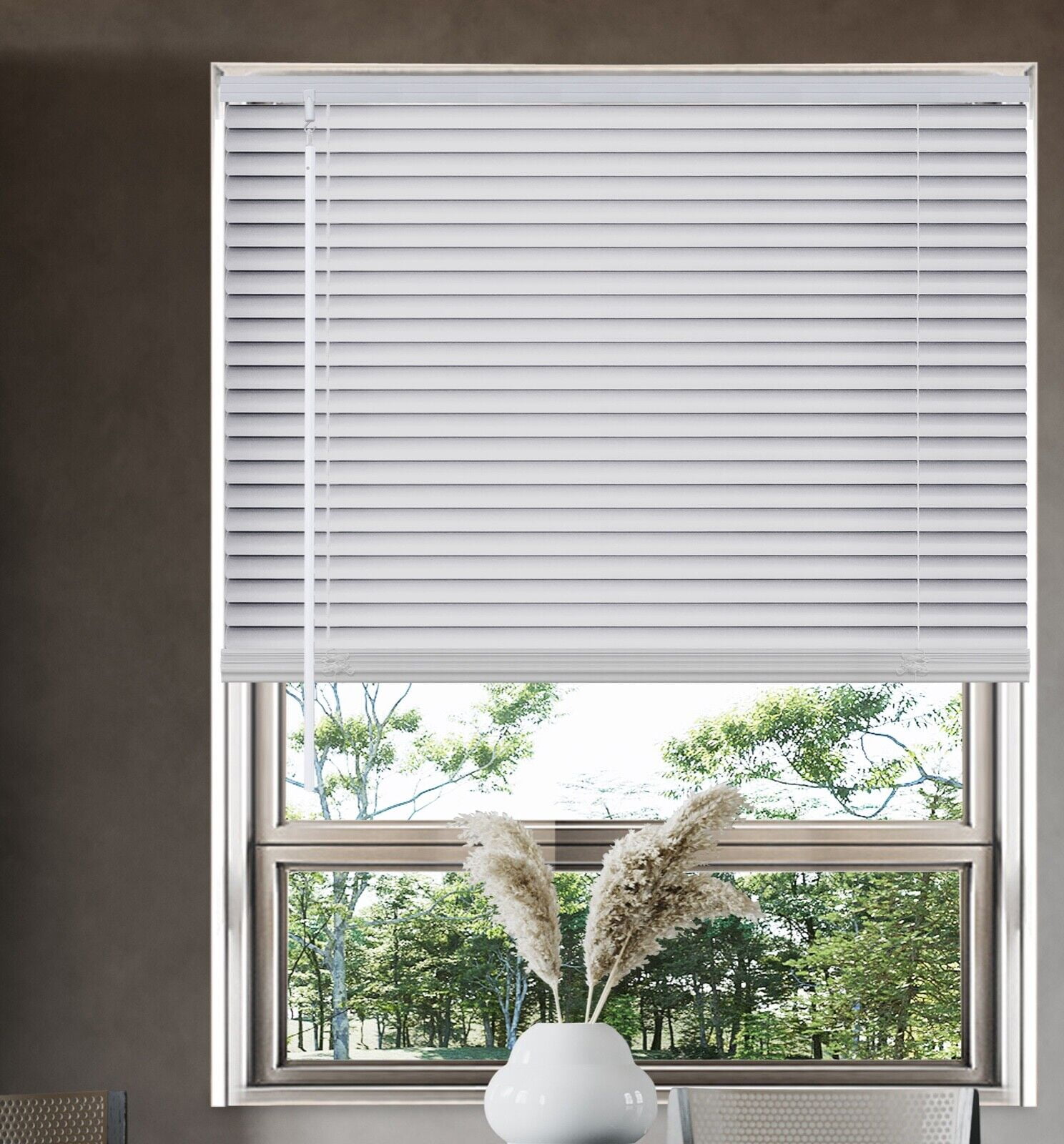
The Real Test: What Happens After Your Blinds Are Fitted
In the blinds business in Australia, the moment you install your blinds may feel like the final step. The boxes are taken out of the box and the new furniture is placed on your windows, and the installer leaves. The real responsibility of the seller starts from this point, and not when the product is used daily and exposed to the harsh sun. The after-sales support, which is often not covered in the contract of purchase, is a crucial element. It covers the quality of installation, instructions for ongoing care and a definite plan to repair or adjust when the inevitable happens. This is where a transaction transforms into an ongoing relationship that lasts a lifetime and the true quality of the service provider is revealed.
Installation is the most crucial and first pillar of service after sales. Installers aren't just fitters; they're the final quality control. Their work directly impacts the longevity and operation of your blinds. The person who installs a reliable service is either an employee or trusted subcontractor who has been working with them for a lengthy period of. They aren't just an uninvolved contractor sourced from an online platform. They'll be equipped with the right tools for installing your home, no matter if you're using double bricks steel studs, steel studs or concrete. Not only do they install all mandatory child safety devices, they also give you the necessary parts. They explain the proper procedure for each blind. This covers how to fix cords to cleats or program a distant. They clean up meticulously, leaving no debris. When they leave, they must leave a point of communication for the next time, like a direct contact number or email address for the local office. This is your first encounter with after-care.
After the installer leaves after the installer has left, the next step is proactive maintenance guidance. Blinds shouldn't be put up only to be left in storage. Their longevity is determined by the way you clean and care for them. This isn't something that an organization that cares about your satisfaction in the long term will leave to chance. They should offer clear, written care instructions specific to your chosen materials. It's not generic advice but specific information such as the best microfiber cloth for your sunblock fabric, the pH neutral cleaning solution for your Venetian timber blinds and the schedule to vacuum your honeycombs in order to prevent dust buildup inside the cells. Some may offer seasonal advice for example, such as changing the tension of your cord in summer, and making sure that motorized shades are not in charge. This is an effective way to avoid problems that could cause premature wear and warranty disputes. This demonstrates that the company considers your blinds to be not an one-time purchase and instead as a long-term investment.
There will be a time when you'll need access to repair assistance even if you have installed and maintained your product properly. The cord could get frayed, the motor may become sluggish or the slat might be damaged. This moment will be the final test to determine how your supplier manages after-sales. Are they able to provide a prompt and local customer service team? A reliable company will have a local service coordinator or someone who has experience and is familiar with your previous work. They should be able to diagnose issues on the phone, send technicians who carry components that are commonly used and honor warranties without arguing. An alternative is a provider who subcontracts repair work to an anonymous third-party handyman or directs to you an online site of a manufacturer located offshore. This causes frustration, delays as well as poor quality fixes.
The support structure of this system is particularly important for motorised and smart systems. Technology can create a new layer of challenge. Does the provider have a technician trained to identify connectivity issues between your motor that is blind and the home hub? Can they replace batteries or upgrade the software? Their after sales capability should be at the same level as the products they sell. The company who only sells products that are automated but does not have the support staff to maintain them is a potential risk.
The answer from your supplier should include a thorough examination of the after-sales environment. Do not just ask "Are installation and warranty included?" You should ask questions that are based on scenarios: "If my blind has an issue six month after installation, how should I proceed?" What should I first do? Do you stock spare parts in your local area for your motor system, or do you purchase parts from abroad? "If repairs are required under warranty, do you charge an additional call-out charge?" They'll be able to determine if they're prepared by their answers. A concise and confident answer that details an office in the local area and commits to providing prompt service will demonstrate the reliability.
Peace of mind and product durability are the ultimate measures of a robust, after-sales services. This service will safeguard your investment. It will last much longer in the event that the blind is fixed or adjusted by the original provider as opposed to if it fails the moment there is a small fault. It will help you save money since it eliminates the need for costly replacements when simple repairs are all you need.
The long-term view is essential in the Australian market where houses are built to last for decades and interiors represent significant investments. A company that has an in-person showroom and local installers is more trustworthy. They offer a full range of services, ranging from expert fitting to informed care to the most reliable repair. If you choose a manufacturer, you're not simply buying an item. You are also choosing a partner who will assist you in maintaining your blinds. By selecting a company, you are ensuring your view will be perfectly frame for the next several years. This is the most crucial clause in your contract, however, it's not in writing.