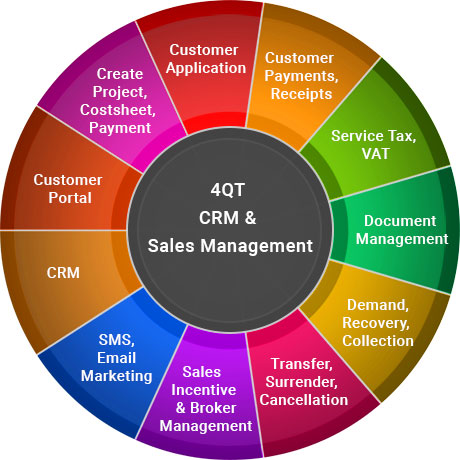
For the modern-day real estate professional, a CRM isn't a separate isle, but rather the command centre of the entire technology ecosystem. The real potential of a CRM's software is not found in its own solitary existence, but by its seamless integration with other tools agents use everyday. Integrations can transform a CRM into an automated, data-rich growth engine. They do this by integrating the vital data from the MLS along with communication channels like social media and email. These connections eliminate the burdensome manual data entry process and break down information silos. They creating a single workspace in which data can be seamlessly shared across platforms, and decrease the number of data silos. This synergy ensures every client interaction will be well-informed by every marketing campaign. is relevant, as well as each agent's actions. To maximize the potential of CRM it is essential to comprehend how these integrations work. The following 10 points explain how CRM software integrates with core real estate tools to provide a seamless efficient, time-saving, and powerful operational framework.
1. MLS Integrating Property Data is the Heartbeat of Property Data
This is the most crucial integration to a real estate CRM. A true MLS integration is a two-way road. It allows the agent to automatically upload data about their property listings directly into the CRM. This guarantees that information is correct and easily accessible for use in marketing. Furthermore, and more efficient it can collect information on any property the lead views on an IDX-powered agent's website. It provides a comprehensive tracking of the lead's behaviors and interests, allowing for a highly-personalised follow-up.
2. Automated alerts and notifications driven by MLS
MLS integration goes beyond simple import of data to allow an automated process that is proactive. CRMs can monitor the MLS using saved search criteria for buyer leads and then send an email or text message when a property matching their requirements is listed on the market. It will inform listing agents about comparable properties which have either closed or had price changes. This is vital information that they can share with their customers. This feature turns the CRM system into a 24/7 service to monitor the market.
3. Email Platform Synchronization (e.g., Gmail, Outlook)
This is a must. This integration means every email sent and receive through the agent's Gmail or Outlook accounts is automatically logged in the CRM. This means that there is no necessity to BCC/CC another CRM email. This gives you a complete and unbroken history of communication for each contact, making sure that any team member or agent receives complete information prior to every interaction, directly from within the CRM interface.
4. Connectors Dedicated to Email Marketing Platforms, e.g. Mailchimp or Constant Contact
Integration with Mailchimp, a specialized platform, can enhance marketing efforts. Many CRMs include email tools. This integration allows seamless synchronization of lists. Any new lead recorded within the CRM will be automatically added to an audience list within Mailchimp and unsubscribes are synchronized to the CRM for conformity. This gives marketers the opportunity to make use of the latest features and analytics available on these platforms while CRM manages contact intelligence.
5. Calendar Integration to Unified Scheduling - e.g. Google Calendar or Outlook Calendar
This integration combines the CRM of an agent with their calendar, resulting in one source of the truth. This integration automatically blocks time on the agent's Google or Outlook Calendar for all shows, appointments, and closings scheduled within the CRM. Personal appointments you add to your calendar are visible within the CRM in order to prevent double booking. This is the foundation for automated scheduling links, where clients can book appointments that directly sync to both systems without any agent involvement.
6. Social Media Platform Integration
The integration of CRM with social media platforms, such as Facebook as well as Instagram serves two main goals. They first facilitate lead capture. Leads generated via an Facebook Lead Ad will be automatically formatted into a contact and sent to the CRM. This will eliminate the need for manual import/export. The CRM dashboard lets agents to publish and manage social media from within the CRM. This enables them to keep a consistent presence on social media to schedule posts, monitor engagement without switching between apps.
7. Integration of E-Signature tools (e.g. DocuSign HelloSign).
This integration allows relationship management to be easily coupled with transaction execution. An agent in CRM can immediately generate a DocuSign/HelloSign signature document request in the contact or transaction records. The CRM will automatically track and records all activities associated with the document, for example, whether it was delivered to be viewed, signed or sent. This creates a seamless, paperless workflow, and gives you immediate insight of the progress of signing important contracts and disclosures.
8. Transaction Management Platform Connectivity
Integration is critical for brokers and teams who utilize transaction management software, like Skyslope. It allows for a smooth transition from sales pipeline to compliance and operations. As soon as the deal moves from "Pending to "Pending in the CRM system, a new file can be created in the management system, that is pre-populated with the client and property details. This eliminates duplicate entries and ensures that the operational team has immediate access to the files they require.
9. VoIP Phone System Integration (e.g., RingCentral, Kuku.io)
Integrating a Voice-over-IP phone system brings telephony into the CRM's sphere of influence. It permits "click-to call" functions to be added to the record of contacts. The dates, times and duration of the call will be automatically recorded. Advanced integrations can record (with compliance) calls and also transcribe messages. These can be linked to the contact's profile. This will provide a complete audit trail of all phone communication, ensuring every detail of the conversation will be lost.
10. Lead Generation Platform Data Pipes (e.g., Zillow, Realtor.com)
To increase efficiency, an immediate integration with the leading lead generation portals should be implemented. Instead of logging into every portal each day to download new lead reports, the CRM automatically ingests leads in real time. The integration captures information regarding the source for example "Zillow Prime Agent" to allow agents to automatically assign an appropriate Lead Score or activate the "Zillow Leads Welcome Drip Campaign", ensuring the best follow-up methods are in place at the first touchpoint. See the top best crm for realtors hints for site advice including pipeline crm, best real estate crm, marketing automation software, google as a crm, managing leads, google crm, google as a crm, good crm software for small business, crm software app, crm pricing and more.
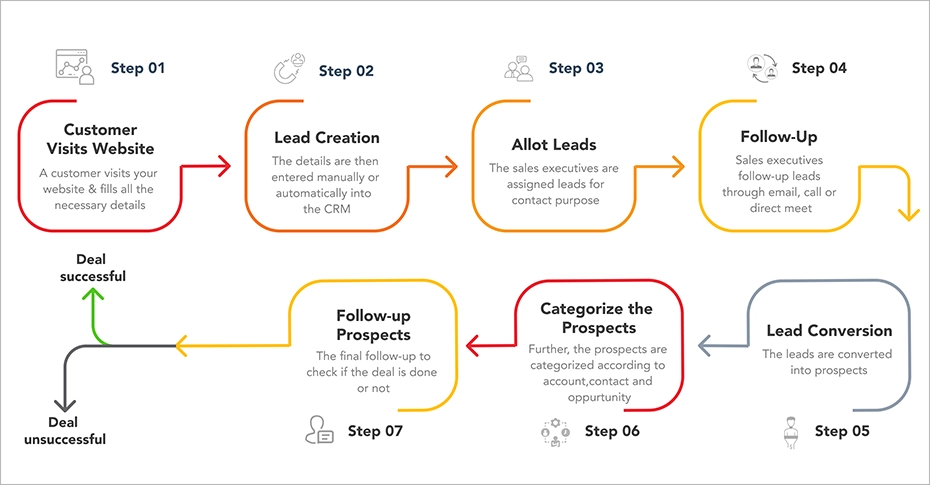
Top 10 Common Implementation Challenges Of Crm For Realtors - And Ways To Overcome These Challenges
An CRM system is an important strategic choice for any real estate professional. However, the road to a successful implementation is often blocked by obstacles. The promise of improved processes and increased sales are not always fulfilled through CRM initiatives. They often fail due to common but easily overcome issues. These hurdles are rarely related to the technology itself however, they are more about the human nature of people as well as process management and the strategic plan. Alongside internal conflict and chaos within the information, there are difficulties with training and goal-setting that is unclear. Realtors face these challenges can cause a significant amount of expense and an under-utilized platform. Being aware of obstacles and challenges prior to them will enable you overcome them. By taking a strategic and proactive approach, the agents will be able to quickly navigate the CRM implementation process. They will be able to transform potential obstacles into steps that will allow for a productive, organized and profitable company. These ten tips will assist you in overcoming the most frequent challenges that arise during CRM implementation.
1. Users' resistance to change and low adoption
Challenge: Humans are often the biggest barrier. Agents are habitual and resist switching to their traditional and inefficient methods (such as sticky notes, spreadsheets as well as personal email) to a brand new system that appears complex. This resistance may manifest itself in the form of a lack of acceptance. The CRM may be purchased but never utilized, which results in a total waste of funds.
What can be done to avoid it? The leader should take the lead and clearly explain the "why?" behind the CRM. Include agents in the process of selection to boost buy-in. To make stories of success, start with an enthusiastic group of users who have been tested. The most important thing is to give ongoing, role-specific instruction and demonstrate that the CRM can help save time and money by automating hot leads' follow-up.
2. Bad Data Quality and Unorganized data Migration
The problem: Many agents attempt to import years of unorganized data, from different sources, into their CRM. They may have old emails or spreadsheets or even notes written down on paper. This "garbage-in, garbage-out" approach results in chaos from the first day, which undermines confidence in users and making CRM appear useless.
How to overcome it: Reserve time for a thorough data cleanup prior to the migration. Remove duplicate contacts, update old information, and standardize formats. Think about a step-wise migration. Start with the active contacts, and then move to the Sphere Of Influence. Then, leave behind any data that is old. A well-maintained, accurate and well-organized database is an effective tool, but a unorganized and inaccurate one can be a liability.
3. Unsuitable and one-time-only training
The challenge Many brokerages commit the blunder of providing just one session of training in the beginning, and then expecting their agents to improve. Real estate is a demanding job, and without constant support agents can quickly forget what was taught, get frustrated, or revert back to the old routines.
Overcoming It: Implement a multi-phase training program. Beginning by providing "how to" tutorials. After the users have become comfortable with the basic functions You can then conduct an additional session 2-3 weeks after that. Give specific training to individuals and team leaders. Create a video library that includes brief tutorials and searchable videos to help you learn quickly.
4. The absence of standardization in workflows and Processes
CRM is a execution tool, but it's not the actual process. The system is used in a different way by every agent in the absence of workflows identified. There is no standardization in the way to handle leads, manage transactions or follow up with customers who have already been referred to and leads to inconsistent data and ineffective uses.
Before going live with a new workflow, record it and share the news. Create clear and written protocols. For example, "When Zillow provides a new lead, the first step is to call X. The second step is to follow Y." These steps can be integrated directly into CRM with the help of task templates and automation. This guarantees consistency, and the CRM becomes the standard for all business processes.
5. Overwhelming complexity and feature expansion
The challenge: A team might choose a CRM with hundreds of features in an effort to determine the "best" solution. A complicated interface or features that they aren't familiar with can make it difficult for agents to comprehend and even paralyze them and cause them to quit their work.
To overcome it, adopt a walk, crawl, and run method. For the first few weeks of training, concentrate solely on the functions that are essential to daily work: making a contact, tracking an event, and using the mobile app. Once you've mastered the basics and are comfortable with the basics, gradually introduce new features like reporting and automation. By making dashboards customizable, you can simplify the design of the interface and display only pertinent details.
6. Inability to integrate daily habits
The CRM is treated as a separate tool rather than the central hub of business. Agents continue to use their personal email and notes and are updating the CRM on a sporadic basis, which makes it undependable.
Overcoming It: Make it mandatory that the CRM is the sole source of truth. Make it a rule that all client communication must be logged. Create the CRM as the browser homepage for every agent. Inspire its use in the morning's first task and evening's last task. Integrating it into daily routines will create it into a regular habit.
7. Unrealistic Expectations and Lack of patience
Challenge: Many people believe that CRM will bring in new customers instantly. When they do not get immediate results, they get angry and give up. They aren't aware that ROI can be attained over time through using the system regularly and increasing efficiency.
Set realistic expectations and a gradual implementation from the start. Communication: The first 3 to 6 month is for learning, migration, as well as execution. In the following quarters, ROI is expected to be achieved through increased lead conversion rates, improved efficiency, and better client relations. Celebrate small wins and early successes to sustain momentum.
8. Ignoring Mobile Functionality
The challenge: Real estate is a profession that can be done on the go and a CRM without an app that is mobile-friendly is doomed to not be successful. Agents will not utilize a CRM if they can't access their contact information on their phones, record calls following shows or review the status of their tasks.
Prioritize the mobile accessibility when selecting CRM. The mobile application should be an essential part of training. Perform important field-based tasks, like using click-to-call, showing feedback via voice to text, or sending documents directly for eSignature.
9. Insisting on ongoing support is not a reality. internal champions
Challenge: Following the initial deployment, agents will likely have questions. If there's no readily accessible support system, frustration builds, and usage declines. The broker can't be your only point of contact.
Overcoming It: Identify and empower "CRM Champions"--tech-savvy agents or staff who receive advanced training. They are your first line of defense when dealing with common issues. Set up a dedicated channel for CRM support (e.g. an inbox shared with other agents or Slack channel) and also encourage agents to work together.
10. No accountability
The challenge is that implementation is seen as a single-time event without a long-term plan. There is no method in place to check whether the CRM is used correctly by agents or even if they're making use of it in any way. Without accountability, adoption wanes.
To combat this, managers must use CRM reporting features to monitor use. Create reports based on the frequency of logins by users, task completions and activities logging. Hold regular team meetings to examine the flow of information within the CRM and make the use of it a regular part of the business process. This encourages accountability by making the system non-negotiable. Follow the most popular the original source on real estate crm software for site advice including pipeline sales, sales automation software, lead management softwares, marketing for real estate, best free crm, crm and ai, software for real estate investors, crm programs for small businesses, sales crm programs, customizable crm and more.